Luxury wellness design has become one of the most important investments for hotels, private estates, branded residences, and wellness destinations. After nearly three decades designing and operating high-performance wellness environments, I have learned that creating a world-class fitness and spa experience requires far more than selecting premium equipment. It requires a deep understanding of hospitality, human behavior, operational flow, recovery, longevity, and the expectations of today’s luxury clientele.
I opened my private fitness facility in West Hollywood in 1997. My vision was simple: create an environment where privacy, performance, and exceptional service existed without compromise. Over the years, I have had the privilege of working with entrepreneurs, executives, entertainment professionals, and discerning clients who expect excellence in every aspect of their lives — including their wellness environment.
That experience continues to shape every project I design today.
What has changed dramatically over the last three decades is the role wellness plays within luxury hospitality and residential development. Wellness is no longer considered an amenity. It has become an expectation. Today’s guests, residents, and property owners evaluate wellness spaces with the same scrutiny they apply to architecture, interior design, dining, and service. In many cases, wellness has become one of the defining factors that separates an exceptional property from an ordinary one. Yet many projects still approach wellness as an afterthought. That is where opportunities are lost.
The core mistake
The Mistake That Costs Luxury Projects Millions
One of the most common misconceptions I encounter is the belief that creating a luxury wellness facility is simply a matter of purchasing premium equipment and allocating enough square footage. The reality is very different.
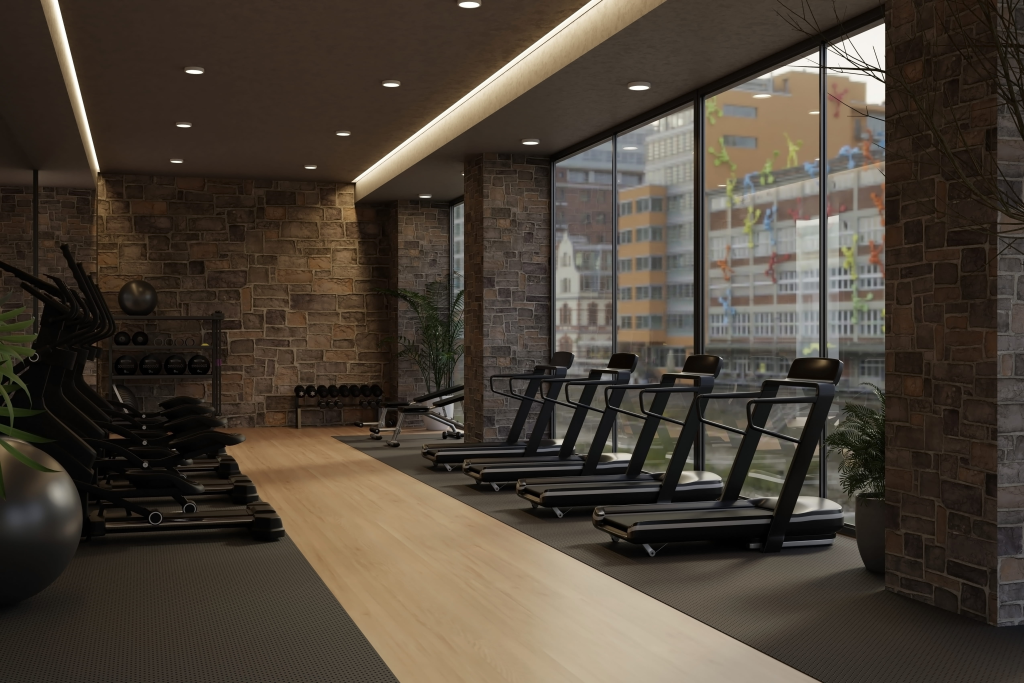
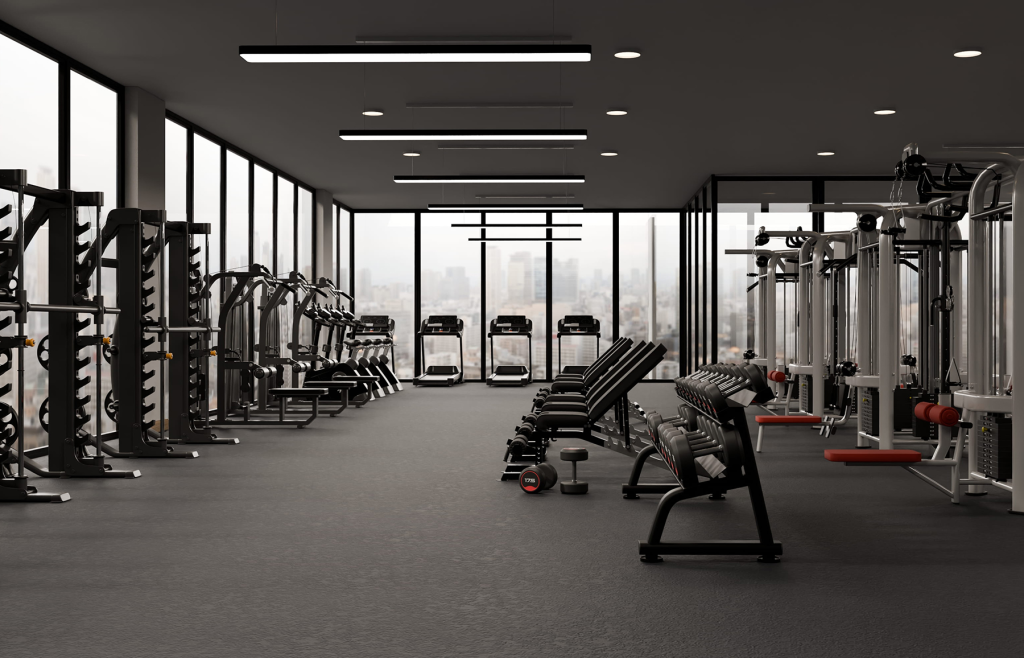
Anyone can buy expensive equipment. Anyone can fill a room with treadmills and strength machines. Very few people understand how to create a wellness environment that feels extraordinary.
“The difference between a standard fitness center and a world-class wellness destination is rarely found in the equipment itself. It is found in the experience.”
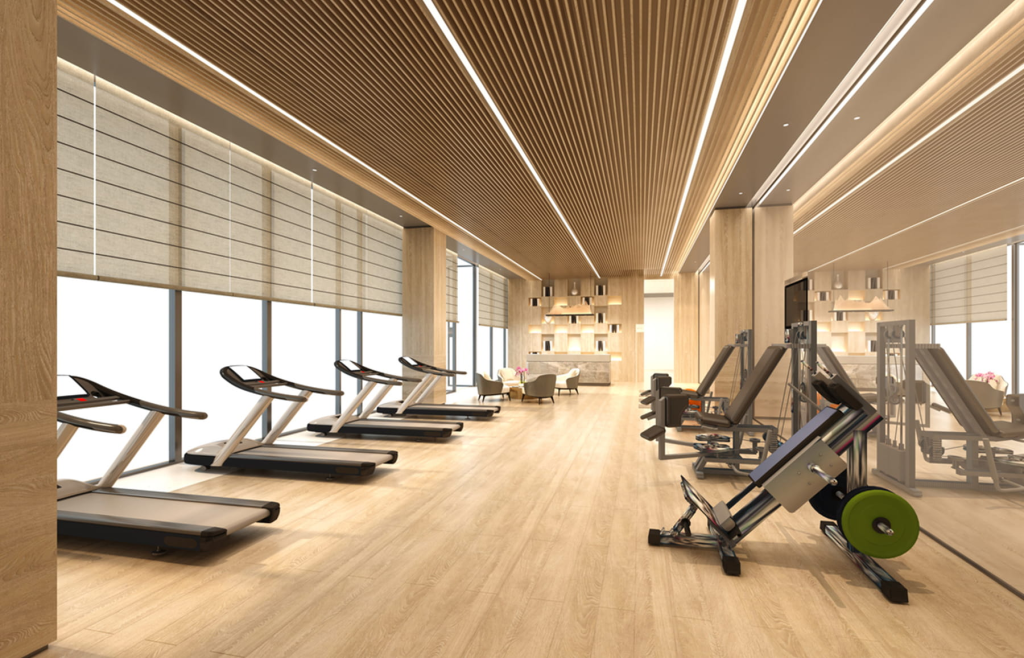
How does natural light enter the space? What is the first impression when a guest walks through the door? How does the environment transition from performance-focused areas into recovery and relaxation spaces? How is privacy maintained? How does the wellness environment reflect the identity of the property itself?
These questions determine whether a wellness facility becomes a meaningful asset — or simply another room in the building.
| 30+ | 1997 | 100% |
|---|---|---|
YEARS OF EXPERTISE |
FOUNDED IN WEST HOLLYWOOD |
BESPOKE PROJECTS |
The bigger picture
Wellness Has Become a Business Strategy
For developers, hotel owners, and investors, wellness is no longer simply about guest satisfaction. It is a business strategy.
Luxury travelers increasingly select hotels based on wellness offerings. High-net-worth homeowners are dedicating significant portions of their residences to fitness, recovery, and longevity — investing in a true private estate gym rather than a basic home workout room. Developers recognize that exceptional wellness amenities contribute directly to market differentiation, guest loyalty, and property value.. Developers recognize that exceptional wellness amenities contribute directly to market differentiation, guest loyalty, and property value.
The wellness industry itself has evolved beyond traditional fitness. Today’s clients are investing in recovery, longevity, stress management, mobility, sleep optimization, and preventative health. As a result, successful wellness environments must support far more than exercise alone. They must deliver a complete wellness ecosystem.
Beyond the gym
Designing Wellness Ecosystems, Not Fitness Rooms
When I begin a project, I do not start with equipment. I start with the experience. I ask how guests will move through the space, how they will interact with different wellness modalities, and how the environment can support both performance and restoration. Every project follows a deliberate design process built from decades of operational experience.
A successful wellness destination feels cohesive from beginning to end.
| Performance Zones |
|---|
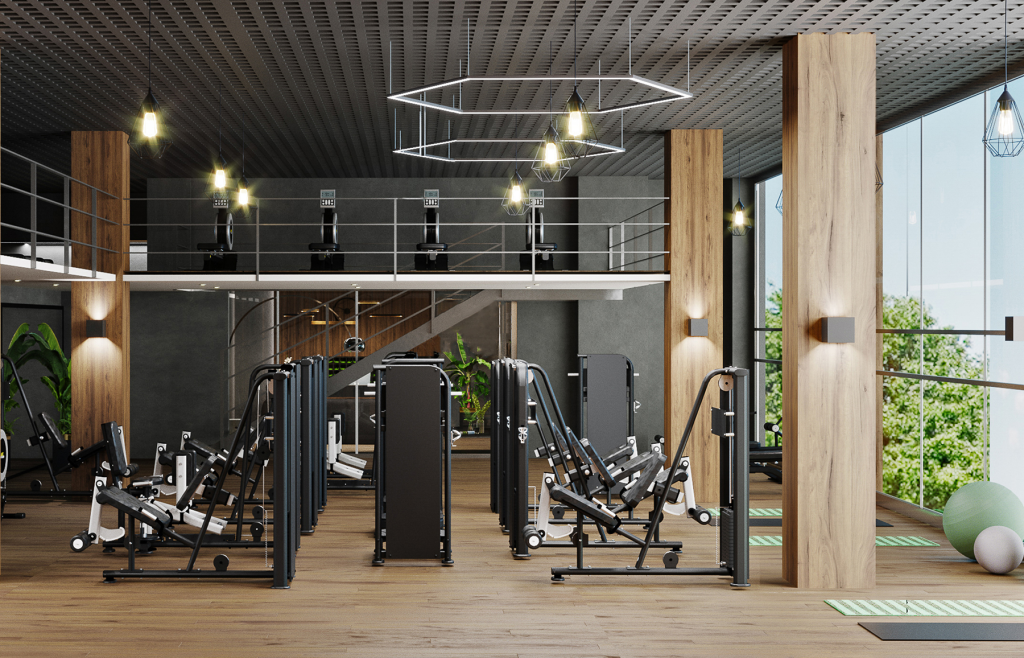
Strength training areas that connect naturally with mobility and functional movement spaces — designed to guide users, not confuse them. |
| Recovery & restoration |
|---|
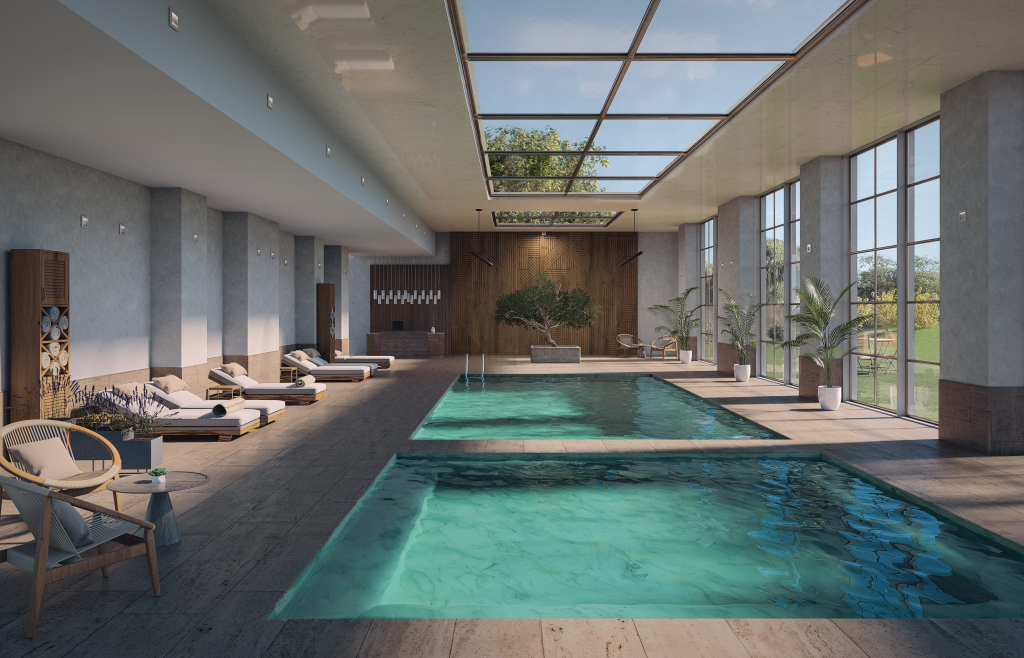
Saunas, steam rooms, cold plunges, and thermal experiences integrated as a seamless extension of the spa — not isolated afterthoughts. |
| Spatial flow & sensory design |
|---|
Acoustics, sight lines, lighting temperature, and traffic patterns — every sensory element considered before a single piece of equipment is specified. |
| Brand alignment |
|---|
The wellness environment should feel inevitable within the property — a natural extension of the identity already promised to guests and residents. |
The goal is not to create separate rooms. The goal is to create a complete wellness experience. When executed properly, every element feels intentional. Guests may not consciously identify every detail, but they feel the difference immediately. That feeling is what creates lasting impressions.
Your hiring guide
How to Choose the Right Wellness Design Consultant
01
Operational experience — not just design credentials
A wellness space is not simply a designed environment — it is a living system. Your consultant should understand how facilities operate daily, how guests behave, how equipment performs under real use, and what creates friction over time. If they have never operated a facility, they are learning on your project.
02
Deep knowledge of human movement and performance
Wellness design is not decoration. Ceiling heights, flooring materials, equipment placement, acoustics, lighting, and circulation patterns all influence the guest experience. These decisions require practical knowledge — not assumptions drawn from a catalog or a rendering.
03
Experience serving luxury and high-profile clientele
Privacy, discretion, and personalization are critical. The expectations of a luxury hotel guest or private estate owner are fundamentally different from those of a traditional commercial fitness facility. This understanding must come from direct experience — not theory.
04
Established relationships with leading global brands
Not a purchasing agreement — actual relationships built on years of professional trust and project collaboration. Those relationships provide access to better solutions and greater flexibility throughout the project.
05
A process that begins with your vision
The first conversation should be about your goals, your guests, your brand identity, and the experience you want to create. Everything else — layout, equipment, design language — should follow from that foundation, exactly as outlined in our gym and spa design proess.
World class equipment selection












Why it matters who guides this
Why Experience Matters
What distinguishes my approach is that I have spent nearly three decades living inside the environments I now design.
Since 1997, I have owned and operated one of Los Angeles’ most exclusive bespoke fitness environments. I have worked directly with clients who value privacy, performance, and exceptional service at the highest level. I have observed how people interact with wellness spaces, what creates loyalty, and what transforms a facility from functional to unforgettable.
“I do not approach wellness design solely as a designer. I approach it as an operator, a trainer, a wellness professional, and a consultant who understands how these environments function in the real world.”
Because beautiful spaces alone are not enough. A wellness environment must operate efficiently, support its users, reinforce the property’s identity, and continue delivering value long after opening day.
I also maintain long-standing relationships with many of the world’s leading fitness and wellness manufacturers — allowing me to curate solutions that align with each project’s specific objectives rather than relying on a one-size-fits-all approach.
Looking forward
The Future of Luxury Wellness
The next generation of luxury properties will be defined by wellness. We are already seeing this transformation across hospitality, residential development, and private estates worldwide.
The most successful projects will not simply offer fitness facilities. They will offer wellness destinations — places where performance, recovery, longevity, and wellbeing are integrated into everyday life. Places where every detail has been carefully considered. Places that inspire people to invest in their health and return again and again.
The projects that stand apart will not necessarily be the largest or most expensive. They will be the most thoughtful. The most intentional. The most authentic — the hallmark of true luxury gym design.
Every serious developer, luxury hotel brand, architect, and private client understands the importance of wellness. The question is no longer whether wellness matters. The question is who should guide the vision — who understands not only design, but operations; not only equipment, but experience; who understands how wellness environments create lasting value for guests, residents, and property owners alike.
In today’s luxury market, the environment is not separate from the experience. The environment is the experience.