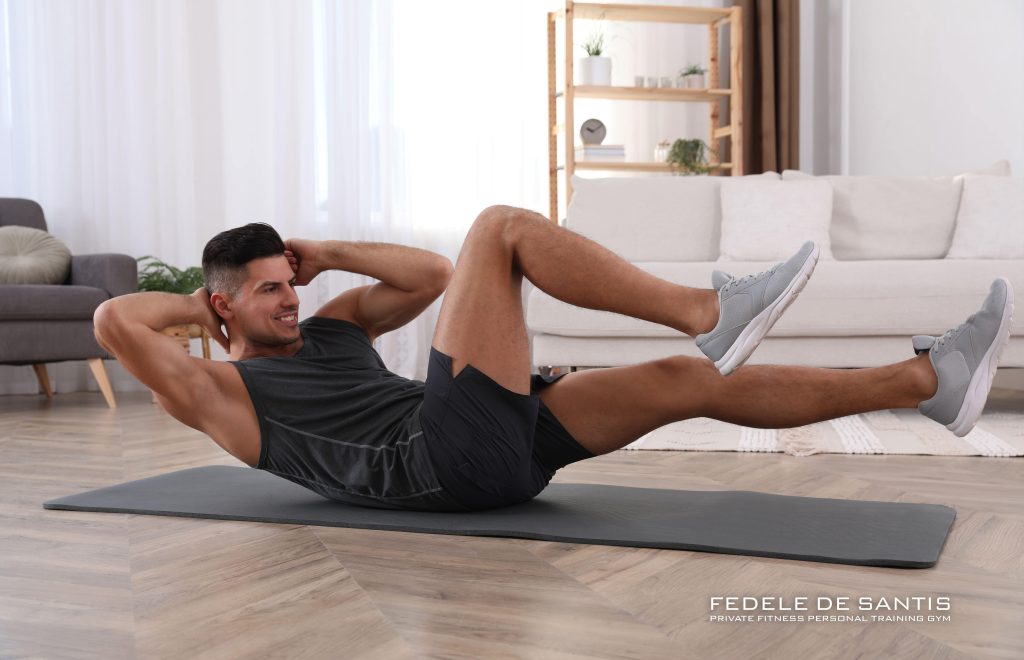
Exercising at home—or even in a hotel room—can be effective, safe, and accessible for people of all ages and fitness levels. You don’t need machines, weights, or resistance bands to build strength, improve flexibility, increase endurance, or maintain overall health. What you do need is a basic structure, consistent practice, and an understanding of which types of movements help the body function at its best.
This introductory guide outlines the essential components of a well-rounded home workout routine. It explains the foundations of stretching, key exercise categories, and why different types of muscle activation—such as isometric and isotonic work—are important. A follow-up article can then show step-by-step instructions for each exercise.
The Importance of Stretching Before and After Exercise
Stretching is critical for preparing the body for movement, increasing circulation, and reducing stiffness. It improves joint mobility, prevents injury, and enhances recovery.
Why stretching matters:
- Warms up muscles and joints
- Improves flexibility for daily movement
- Reduces tightness after exercise
- Helps maintain mobility as we age
Warm-up stretches are short and gentle, while cool-down stretches are held longer to release tension.
Fundamental Exercises You Can Do Without Equipment
The exercises below form the foundation of safe, effective training at home. You don’t need weights or machines—your bodyweight provides all the resistance you need for a full workout. We will explain how to perform each exercise in a later guide; for now, this section outlines the essential categories and why they matter.
1. Basic Movement Patterns
These are natural motions the body performs every day. Training them improves strength, balance, mobility, and overall functionality.
Examples:
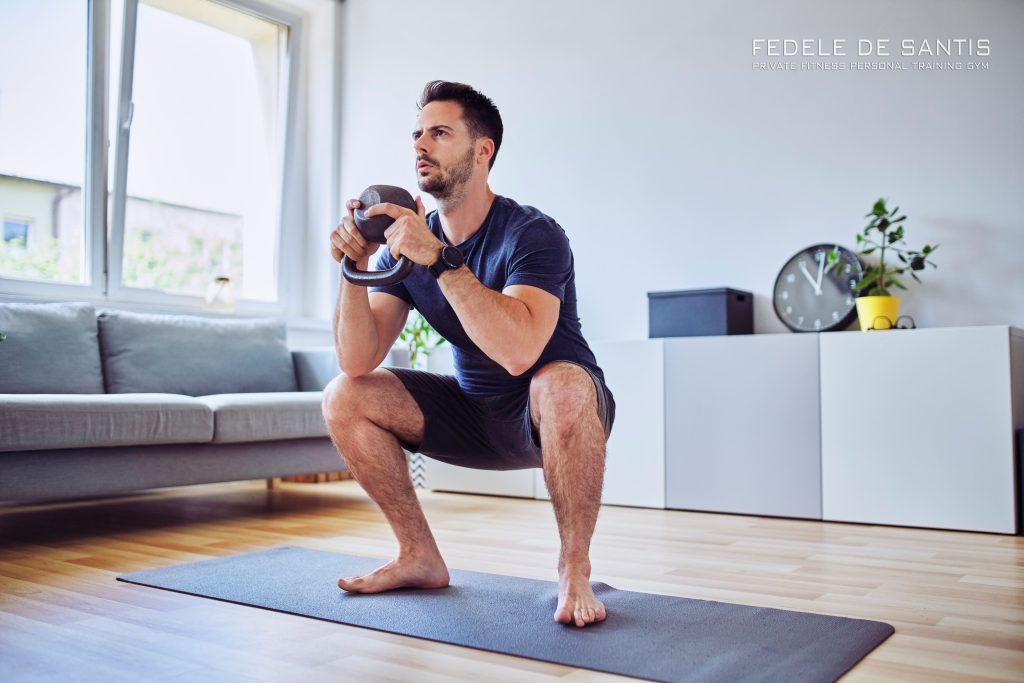
- Squats
- Lunges
- Push-ups
- Hip bridges
- Standing marches
These movements mimic daily life—lifting, bending, standing, walking, reaching. Strengthening them supports healthy joints, reduces injury risk, and helps maintain independence as we age.
2. Isometric Exercises (Static Strength)
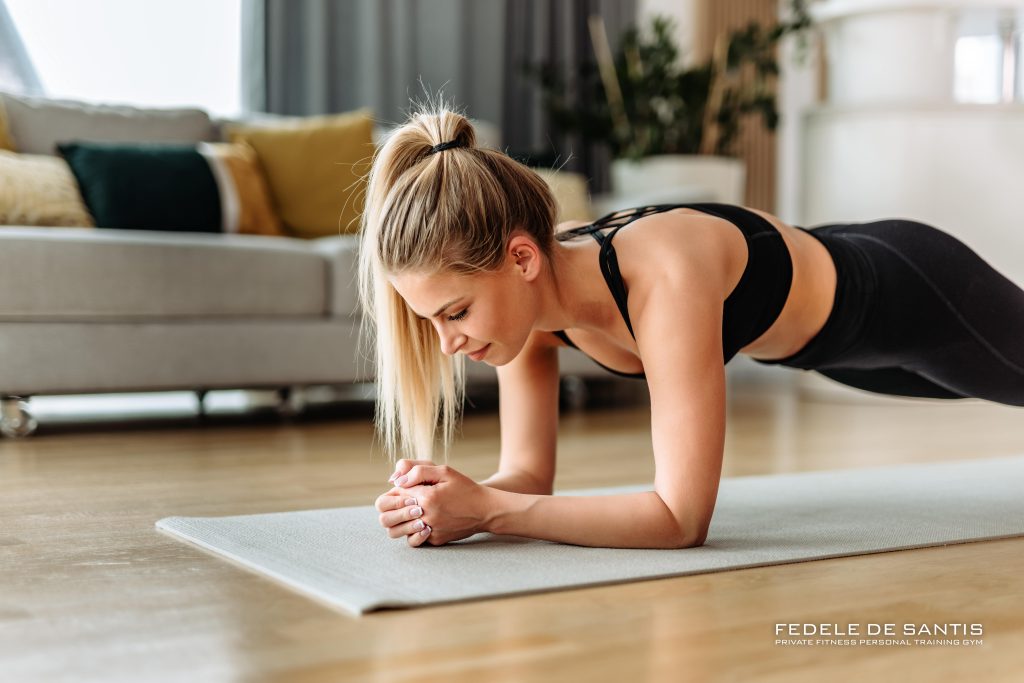
Isometric exercises involve holding a position without moving. Even though the body is still, the muscles are working hard to stabilize you.
Examples:
- Plank hold
- Wall sit
- Isometric squat hold
- Push-up hold
- Glute bridge hold
Isometrics strengthen stabilizing muscles, improve joint support, and are especially beneficial for seniors, beginners, and anyone with limited mobility because they are low-impact and safe.
3. Isotonic Exercises (Controlled Movement)
Isotonic movements create strength by contracting and lengthening muscles through a full range of motion.
Examples:
- Squats
- Lunges
- Push-ups
- Leg raises
- Hip bridges
- Core twists
Isotonics build muscle endurance, strength, and coordination. They also help maintain healthy bones and support long-term mobility.
4. Exercises Against Gravity
Your body weight is the resistance, and gravity makes these movements more challenging. These exercises activate major muscle groups and improve balance and stability.
Examples:
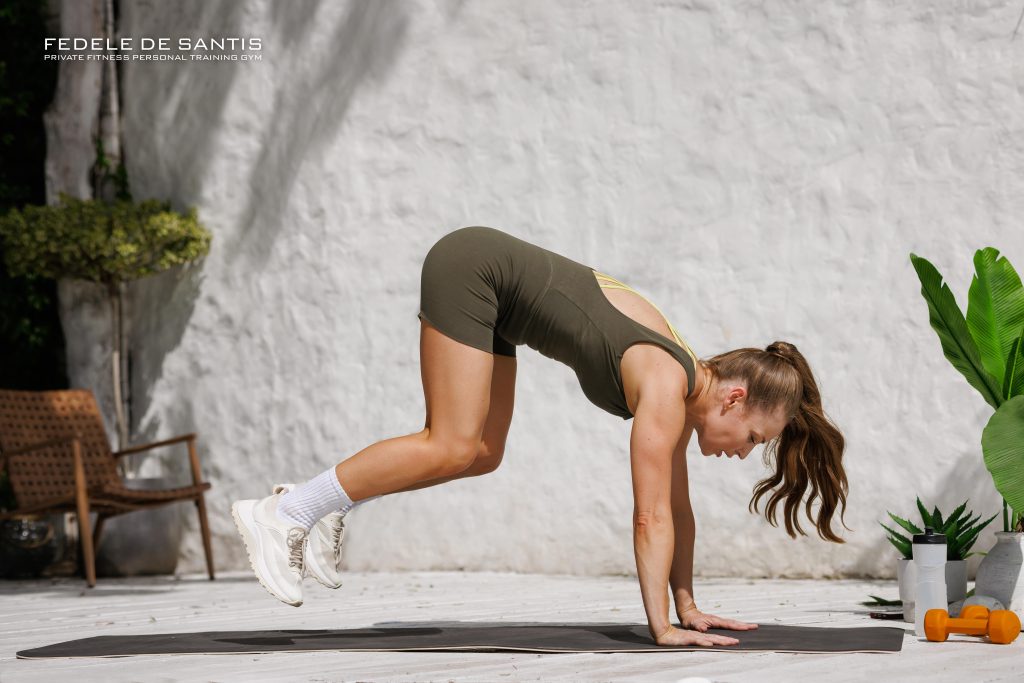
- Bird-dog
- Superman
- High knees
- Standing leg lifts
- Mountain climbers
- Plank variations
They help strengthen the core, improve posture, and enhance your ability to stabilize the body during movement—important for everyone from teenagers to older adults.
5. Foundational Stretching for Mobility & Recovery
While stretching is part of warm-up and cooldown, certain mobility movements deserve their own category because they directly support long-term health.
Examples:
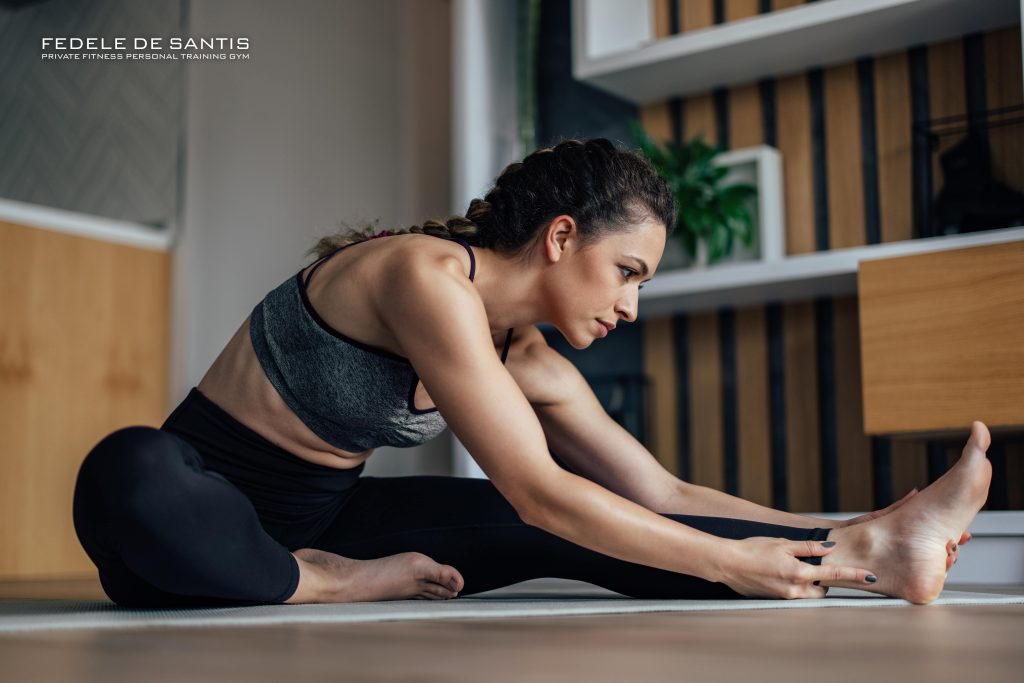
- Seated hamstring stretch
- Figure-4 glute stretch
- Cat–cow
- Child’s pose
- Lower-back rotation
- Chest opener
These stretches help prevent pain, loosen tight areas, improve alignment, and make all other exercises easier and safer.
6. Core and Glute Activation
These are not full workouts by themselves—they are the anchor of every movement. A strong core and strong glutes protect the spine and improve performance in every exercise.
Examples:
- Glute bridges
- Dead bug
- Plank
- Standing knee lifts
- Side-lying leg raises
Strong glutes and core muscles reduce back pain, improve balance, and support safe movement patterns in everyday life.
Modifications for Different Fitness Levels
Every movement can be made easier or harder.
Examples of modifications:
- Holding onto a chair for balance
- Reducing the depth of squats or lunges
- Doing push-ups on knees instead of toes
- Slowing down movements for control
- Holding isometric versions for beginners
Modifications allow teenagers, adults, seniors, or individuals with injuries to stay active without risk.
Breathing, Focus, and Mind–Body Awareness
Proper breathing reduces stress, helps stabilize the body, and increases endurance.
Examples:
- Slow nasal breathing during warm-up
- Exhaling during effort (like standing up from a squat)
- Diaphragmatic breathing during recovery
- Light meditation or mindfulness to end the workout
These techniques calm the nervous system, improve exercise performance, and promote mental well-being.
Setting the Stage for Your Full Routine
Now that you understand the basic categories—stretching, movement patterns, isometrics, isotonics, gravity-based exercises, and recovery—you have a clear structure for creating a balanced home workout plan.
The next step is simple, learn how to perform each exercise safely and correctly. The upcoming article will break down each stretch and movement, beginner-to-advanced variations and examples for a complete work out.
A Note on Professional Guidance
While home workouts are incredibly effective, safe, and accessible, many people benefit from working with a trained professional—especially when learning form, managing injuries, or looking for individualized programs.
If you’re in the Los Angeles area and ready to take your training further, consider visiting our exclusive fitness gym in West Hollywood, CA, we provide personalized support, expert instruction, and a level of privacy and professionalism that enhances results for all fitness levels.