In the previous article, we explored how anyone—regardless of age or fitness level—can exercise at home without equipment by using basic movement patterns, isometric exercises, isotonic exercises, and gravity-based movements. Understanding what these exercises are is the first step. The next and most important step is learning how to perform them safely and correctly.
This guide focuses on proper positioning, controlled movement, and breathing so you can train confidently at home while protecting your joints, muscles, and spine.
Before you begin
Before starting any exercise, choose a clear, quiet space where you can move freely. Wear comfortable clothing and supportive footwear or train barefoot on a non-slip surface.
Breathing comes first.
Proper breathing improves stability and prevents unnecessary tension.
Inhale through your nose during easier phases of movement
Exhale through your mouth during effort
Never hold your breath
Move slowly and with control
If you have injuries, medical conditions, or chronic pain, consult a qualified professional before beginning any routine.
Basic Movement Patterns
These are foundational exercises that train the body to move efficiently in everyday life.
Squat (Lower Body & Core)
Stand with feet shoulder-width apart
Keep your chest lifted and spine neutral
Push your hips back as you bend your knees
Lower until comfortable
Press through your heels to stand back up
Focus: balance, leg strength, posture
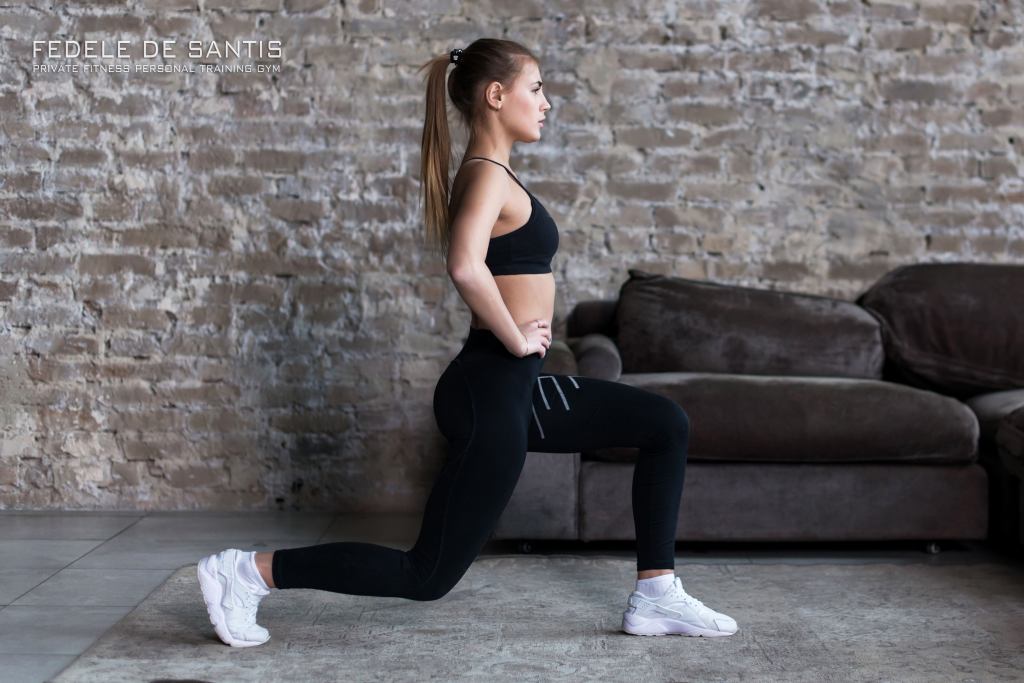
Lunge (Legs, Glutes & Balance)
Step one foot forward
Lower both knees while keeping torso upright
Push through the front heel to return
Focus: unilateral strength, balance, hip control
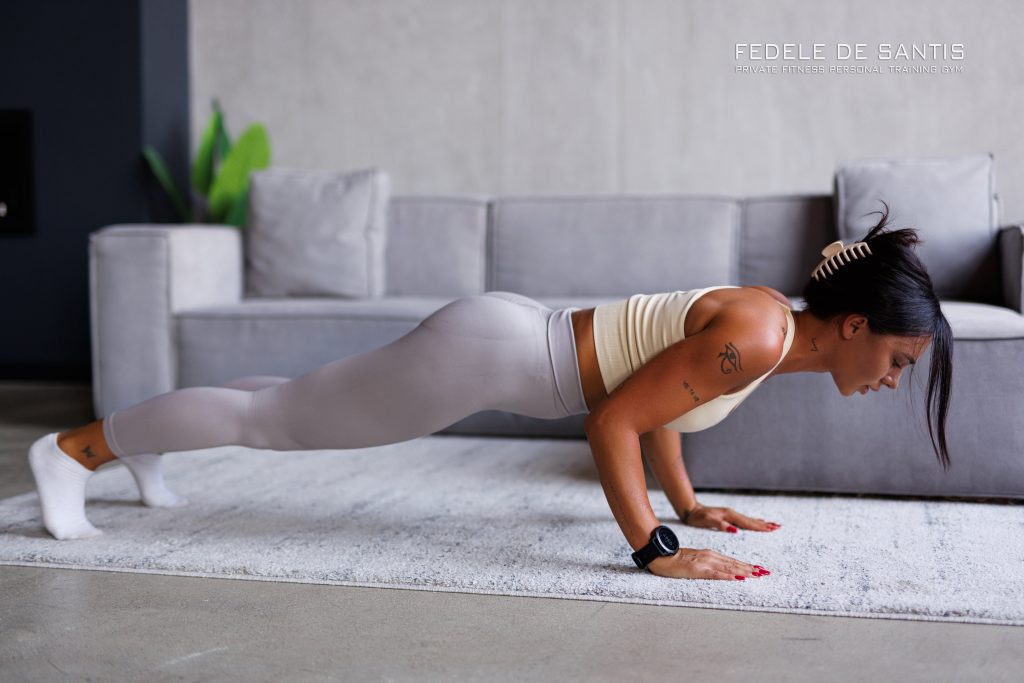
Push-Up (Upper Body & Core)
Hands slightly wider than shoulders
Body in a straight line from head to heels (or knees)
Lower chest with control
Push back up without locking elbows
Focus: chest, shoulders, arms, core stability
Isometric Exercises (Static Strength)
Isometric exercises involve holding a position to build stability and joint support.
Plank Hold
Forearms or hands on the floor
Body in a straight line
Engage core and glutes
Hold while breathing steadily
Focus: core endurance, spinal support
Wall Sit
Back against a wall
Knees bent at a comfortable angle
Feet flat and slightly forward
Hold position while breathing
Focus: leg strength, joint stability
Isotonic Exercises (Controlled Movement)
Isotonic movements involve muscle contraction through motion.
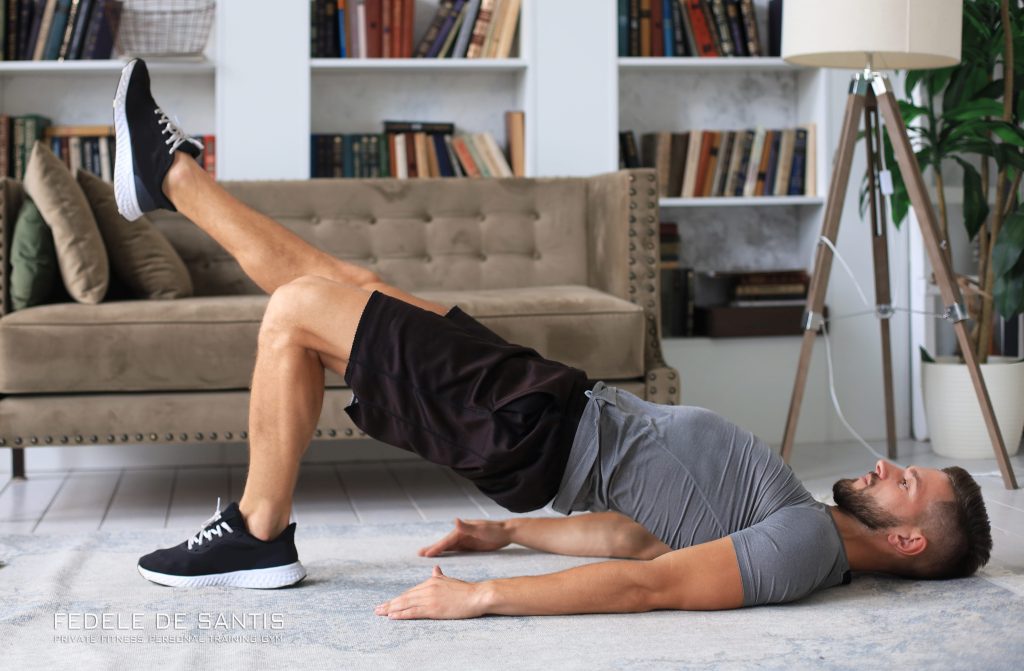
Glute Bridge
Lie on your back, knees bent
Feet flat on floor
Lift hips while squeezing glutes
Lower with control
Focus: glutes, lower back support
Leg Raises
Lie on your back or side
Keep core engaged
Lift legs slowly
Lower without letting hips shift
Focus: abdominal control, hip strength
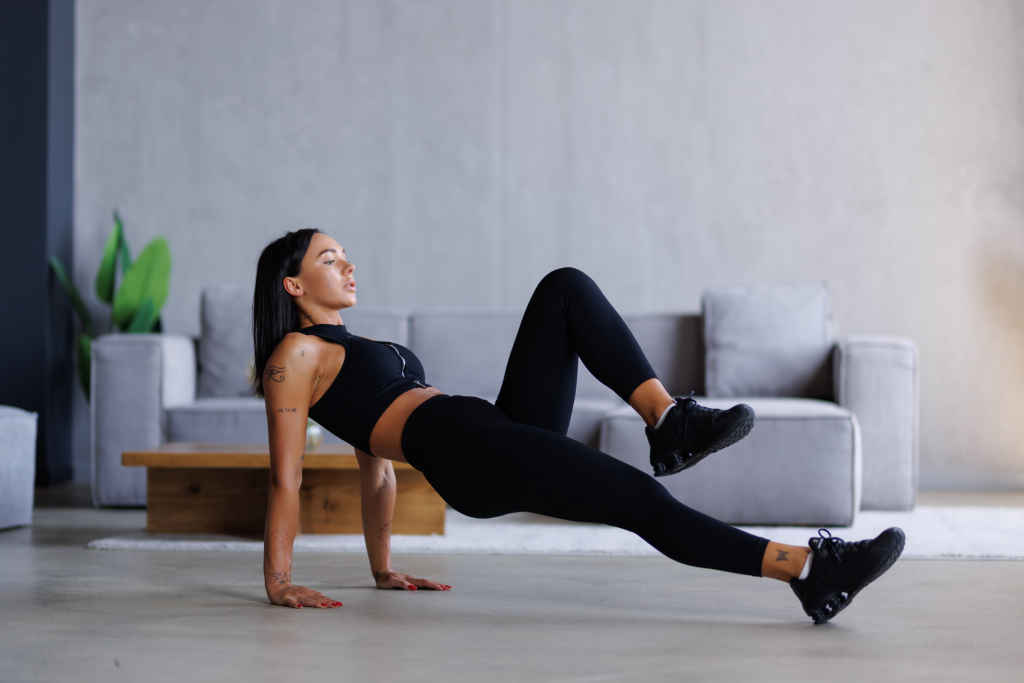
Exercises Against Gravity
These exercises challenge coordination and balance.
Bird-Dog
On hands and knees
Extend opposite arm and leg
Keep hips level
Return slowly and switch sides
Focus: balance, spinal control
Standing Leg Lifts
Stand tall
Lift one leg forward or sideways
Keep core tight
Lower with control
Focus: hip stability, balance
Warm-Up: Preparing the Body (5–7 Minutes)
A proper warm-up increases blood flow and prepares joints.
Sample Warm-Up:
Neck circles – 30 seconds
Shoulder rolls – 30 seconds
Arm circles – 30 seconds
Hip circles – 1 minute
March in place – 2 minutes
Light squats – 1 minute
Move gently and breathe deeply.
30-Minute Full-Body No-Equipment Routine
Main Workout (20 Minutes)
Perform each exercise slowly and with control.
Circuit (Repeat 2–3 Times):
Squats – 12 reps
Lunges – 10 reps each leg
Push-ups (knees or toes) – 8–12 reps
Plank hold – 30 seconds
Glute bridges – 15 reps
Bird-dog – 10 reps each side
Standing leg lifts – 10 reps each side
Rest 30–45 seconds between exercises.
Cool-Down and Stretching (5–8 Minutes)
Stretching after exercise helps muscles recover and relax.
Post-Workout Stretches:
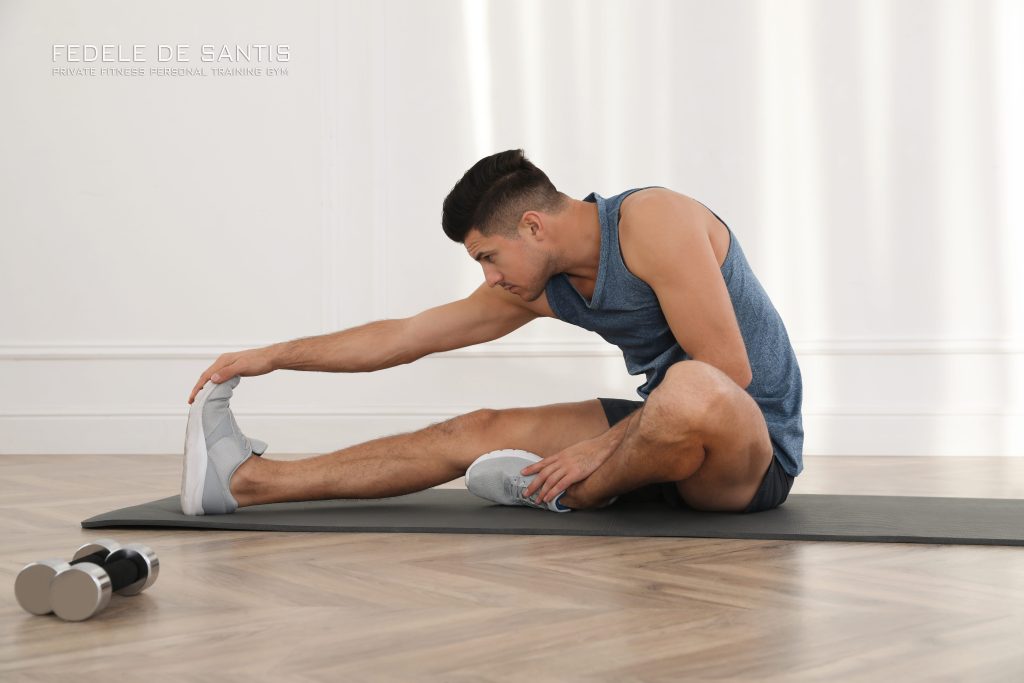
Seated forward bend – hamstrings
Figure-4 stretch – glutes
Cat–cow – spine mobility
Child’s pose – back and hips
Lower-back rotation – spinal release
Chest opener – posture reset
Hold each stretch for 20–45 seconds and breathe deeply.
Learning how to perform exercises correctly is just as important as the exercises themselves. When movements are done with control, proper breathing, and correct posture, home workouts can be just as effective as gym training—while remaining safe and accessible for all ages. Understanding basic movement patterns, isometric and isotonic exercises, and how to work against gravity allows individuals to train confidently anywhere, even without equipment.
For those seeking personalized guidance, injury support, or more advanced programming, working with a qualified professional can significantly enhance results and reduce the risk of injury. This level of coaching is best delivered through personal training in West Hollywood, CA, where programs are fully customized to the individual’s goals, limitations, and lifestyle. Training inside an exclusive fitness gym in West Hollywood, CA provides a private, focused environment that supports consistency, precision, and long-term progress. Whether training independently at home or under expert supervision, consistency, proper technique, and mindful movement remain the foundation of lasting strength, mobility, and overall health.